Is ‘Young Washington’ Historically Accurate?
Movies

Audio By Carbonatix
By Michael Foust, Movies
Washington’s Father Died When He Was Young, Changing His Life’s Direction
The film opens with a heartbreaking scene of young George Washington mourning the death of his father, Augustine Washington – a life-altering moment that shapes the rest of the movie. That part is rooted in history. Washington’s father died when he was 11, changing the “course of his life” and forcing him to “grow up quickly,” according to a biography on the website of Mount Vernon, Washington's estate.
His Half-Brother Helped Raise Him
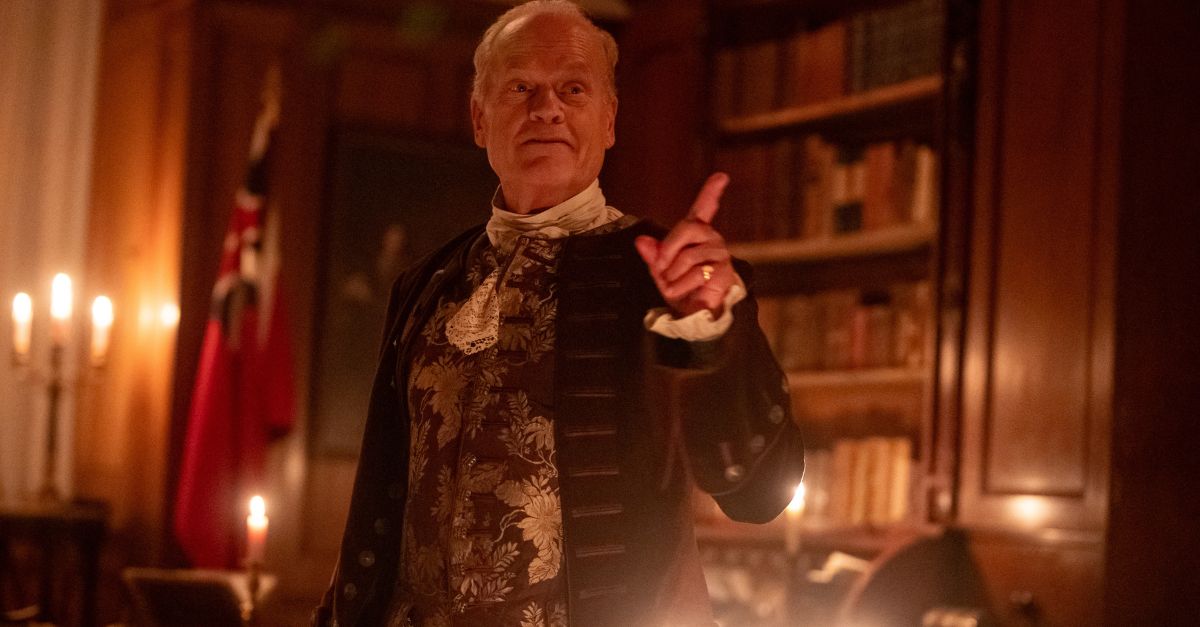
Young Washington depicts his half-brother, Lawrence, promising to help raise the young George after their father’s death. In the film, Lawrence had served the King and had been appointed adjutant general of the Virginia militia. That, too, is grounded in history. Lawrence Washington served as a captain during the British campaign against Spain in the West Indies and later became adjutant general of the militia in Virginia. After Augustine Washington's death, the younger George “looked to [Lawrence] as a paternal influence, as well as a brother,” according to a biography on the Mount Vernon website.
Photo Credit: ©Angel/Wonder Project
He Was Rejected by the British Military – and Fought to Prove Himself
Just as depicted in the film, George Washington’s life changed dramatically after his father's death. The tragedy prevented him from receiving the classical education enjoyed by his older half-brothers, who studied at Appleby School in England. Instead, George was educated by tutors and “possibly a local school,” according to the Mount Vernon biography.
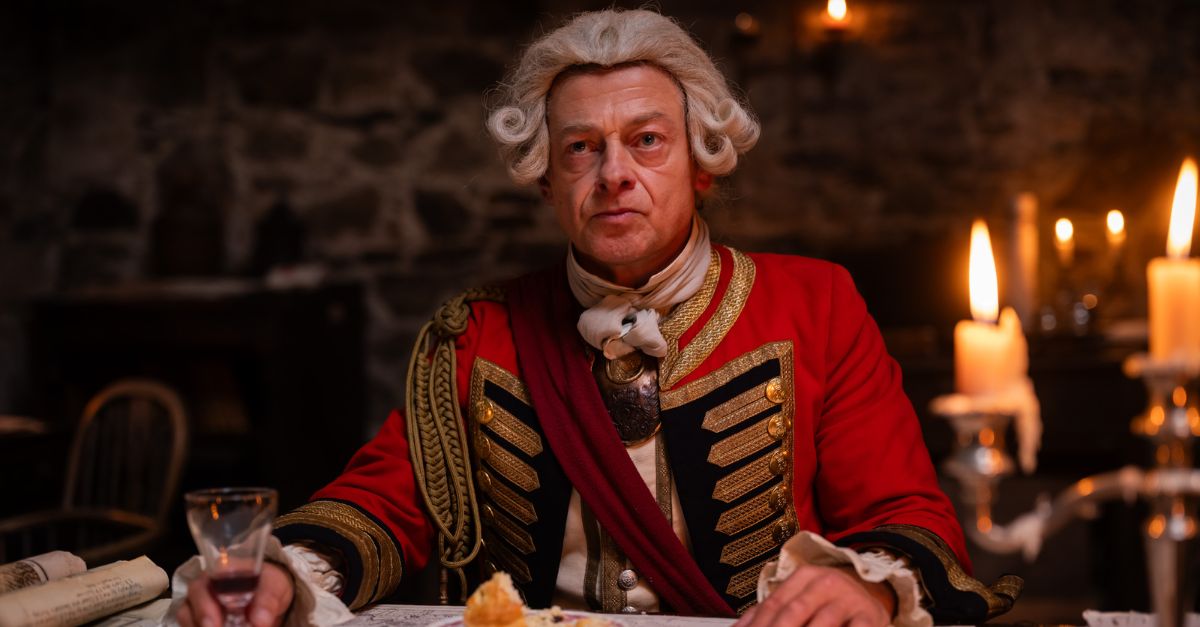
Washington went on to become a surveyor and later joined the Virginia militia, but he was repeatedly denied a royal commission as an officer in the British Army – a key plot point in the film. The movie also accurately portrays Washington copying 110 “Rules of Civility and Decent Behavior in Company and Conversation,” which he transcribed from a popular English text as a teenager.
“By 1757, Washington was coming to realize that being American was not the same thing as being British, and the snubs he faced as a Virginia officer in the French and Indian War would later help to radicalize him into political insurgency during the American Revolution,” the Mount Vernon bio says.
He Apparently Had Feelings for Sally Fairfax
Just as depicted in the film, Washington appears to have developed romantic feelings for Sally Fairfax, whose sister, Anne, had married his half-brother, Lawrence. The Fairfaxes, as portrayed in the film, were among colonial Virginia's wealthiest and most influential families.
Those feelings appear to have lingered even after Sally married in 1748, although the film depicts Washington confessing his love before her engagement. A decade later, in 1758, he wrote her a famous letter that many historians believe hints at his affection:
“The world has no business to know the object of my love, declared in this manner to – you, when I want to conceal it. One thing above all things, in this World I wish to know, and only one person of your acquaintance can solve me that or guess my meaning - but adieu to this till happier times, if ever I shall see them.”
He married Martha Custis in 1759.
Photo Credit: ©Angel/Wonder Project
He and Christopher Gist nearly froze to Death
The film depicts Washington and fellow frontiersman Christopher Gist nearly freezing to death after becoming stranded overnight on a small island before the river froze, allowing them to escape. That dramatic sequence is rooted in history. According to the Mount Vernon website, the two men were traveling on a raft down the Allegheny River, “which was filled with large chunks of floating ice,” when “Washington was thrown into the icy waters after their raft struck an ice pack.”
They made their way to a “nearby island, where they spent a miserable night in the severe weather. By morning, the river was frozen solid, and the two battered survivors walked their way to safety.”
Washington Lost His First Battle
Just as depicted in the film, Washington lost his first military command at Fort Necessity, a defeat that helped ignite the French and Indian War – but also became a defining moment in his development as a leader.
“Even though his first significant mission as commander of troops was unsuccessful, George Washington had found his calling in life,” the Mount Vernon website says, quoting him as declaring: “I heard Bullets whistle and believe me there was something charming in the sound.”
He Survived Multiple Brushes with Death in Battle
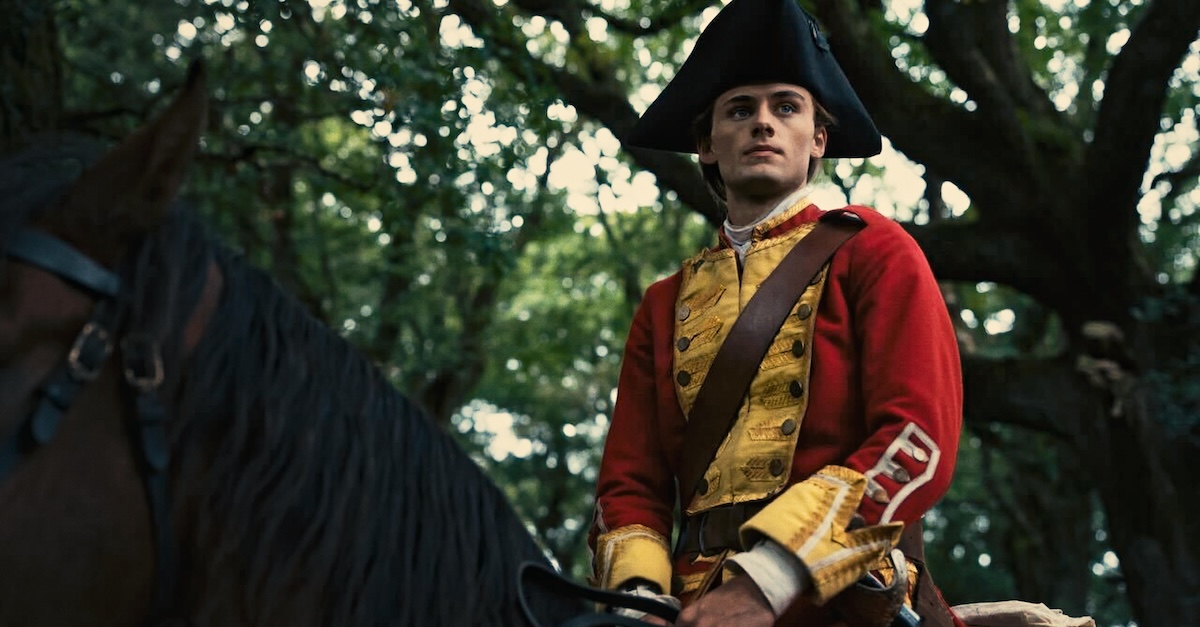
The film ends with a dramatic portrayal of Washington surviving a hail of gunfire at the Battle of the Monongahela – a seemingly unbelievable scene that is firmly rooted in history. Just as the film shows, he entered the battle while recovering from dysentery.
General Edward Braddock was mortally wounded that day, but Washington survived.
“During the battle, while attempting to rally the British soldiers, Washington had two horses shot out from under him and four bullet holes shot through his coat,” the Mount Vernon biography says. “Although he behaved with conspicuous bravery, Washington could do little except lead the broken survivors to safety.”
Photo Credit: ©Angel/Wonder Project