4 Things Families Should Know about ‘Hoppers’
Movie Features

Audio By Carbonatix
By Michael Foust, Crosswalk.com
Mabel is an energetic college student with a deep love of nature. But perhaps she loves it a little too much.
As a young girl, she tried rescuing the turtle from her school’s classrooms. And the caged birds. And the snake. Sure, she was caught, but that didn’t quell her passion. At one point, she even bit someone’s arm in her quest to free them.
She developed that love for nature from her grandmother – a spirited woman who, like Mabel, once pushed boundaries and refused to sit quietly when faced with opposition.
The two of them often ended their days beside a nearby pond, talking about life as they slowed down and enjoyed everything around them – the rustling trees, the curious deer, the gentle breeze drifting across the water. It was a quiet glade in the forest where they bonded and built lasting memories.
Unfortunately, that same glade is now the target of a local highway project – one championed by the town’s popular, big-smiling and self-absorbed mayor, who insists it’s necessary for progress and faster commutes.
Mabel, though, isn’t willing to let the land disappear without a fight.
“To some people, it’s an empty piece of land,” she tells the mayor. “But for those animals, it’s home.”
But the mayor has a ready reply – and one the public seems to believe: The animals left long ago. To his defense, there are no animals left on Mabel’s beloved patch of land.
But … where did they go?
Mabel sets out to find the answer – turning to a cutting-edge piece of technology to uncover the truth.
It’s all part of the new children’s animated Hoppers (PG).
Here are four things parents should know:
Photo Credit: ©Pixar
It’s Pixar’s Latest Adventure
Hoppers is the first movie of 2026 from Pixar, the legendary animated studio owned by Disney that helped redefine children’s animation with groundbreaking hits such as Toy Story, Finding Nemo, and The Incredibles. (Toy Story 5, set for release June 19, is its other new film.)
From its earliest films, Pixar proved that children’s animation could be visually stunning while also telling stories with emotional depth – stories that often tugged at the hearts of adults.
Pixar’s strength has long been its original films, even if none in recent years have reached the blockbuster status of the Toy Story franchise. (Minus Inside Out 2, which was a sequel.) Still, the studio continues to deliver inventive stories – including films such as Luca – that deserved a wider audience.
Photo Credit: ©Pixar
It Reminds Us to Slow Down and Enjoy Nature
Early in the film, Mabel’s grandmother slows her down after a long day at school and admits she once got into trouble, too – even punching a girl in the face.
“I used to get really mad – but not anymore,” Grandma Tanaka (Karen Huie) says before adding, “Want to know my secret?”
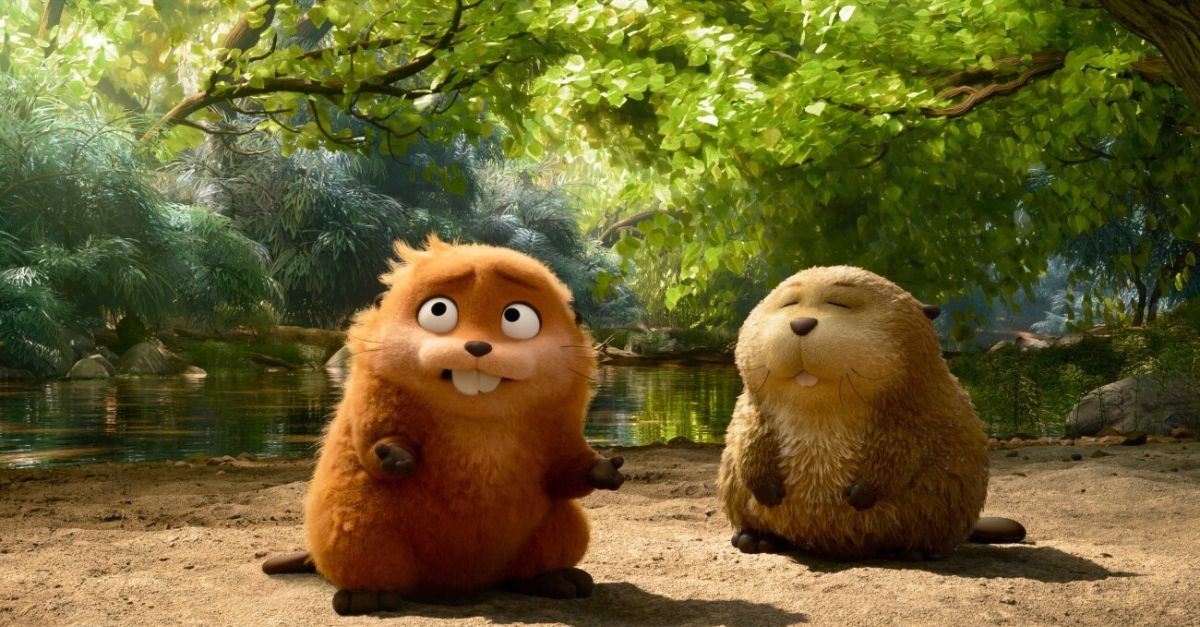
The two then take a walk to Grandma Tanaka’s favorite local getaway – a scenic glade in the forest with big skies, a blue pond, and gentle, swaying trees. It’s a place without the noises of the world – the rumble of cars, the chatter of televisions, and the constant buzz of modern life.
Immediately, Mabel (Piper Curda) – who is often uptight – feels her nerves calm.
“That's what nature does. It’s hard to be mad when you feel like you're part of something big,” her grandma says.
Her point is grounded in Scripture. God designed us to enjoy nature – to step outside, look up at His magnificent creation, and remember that the worries of daily life are small compared to the world He placed around us. The God who cares for the birds of the air and the lilies of the field is guiding and protecting us. We weren’t designed to find pleasure and purpose in screens, which usually bring more noise and stress than peace.
It’s a reality even many therapists – secular and faith-based – acknowledge when they encourage patients to step outside, take a deep breath, and relax.
Photo Credit: ©Pixar
It Taps Into the Classic Man-vs.-Nature Theme
The animated film genre is filled with examples of plots pitting humans against nature or the consequences of their own progress – The Wild Robot, The Lorax, and WALL-E, among them.
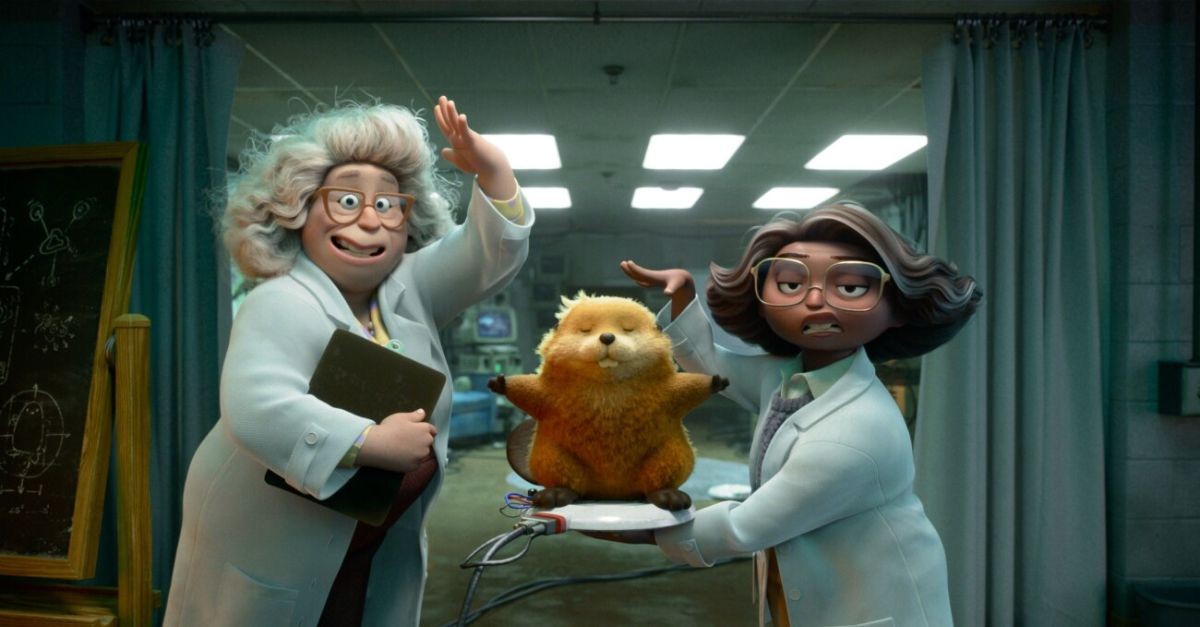
In Hoppers, the conflict is a familiar one: a new road that must cut through a piece of beloved land. The plot turns, though, when Mabel learns of a groundbreaking technology at her college – a program dubbed “Hoppers” – that allows a human’s consciousness to be transferred into an animal. For Mabel, this means she can go undercover as a beaver to expose the true reason behind the animals’ disappearance.
Mabel’s journey leads to a series of discoveries – some grounded in real life, others pure animated fun, and still others that carry simple lessons for everyday life, especially for children.
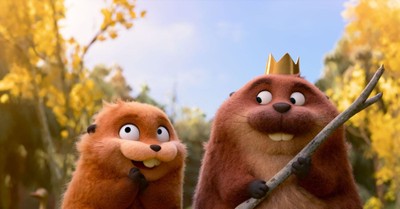
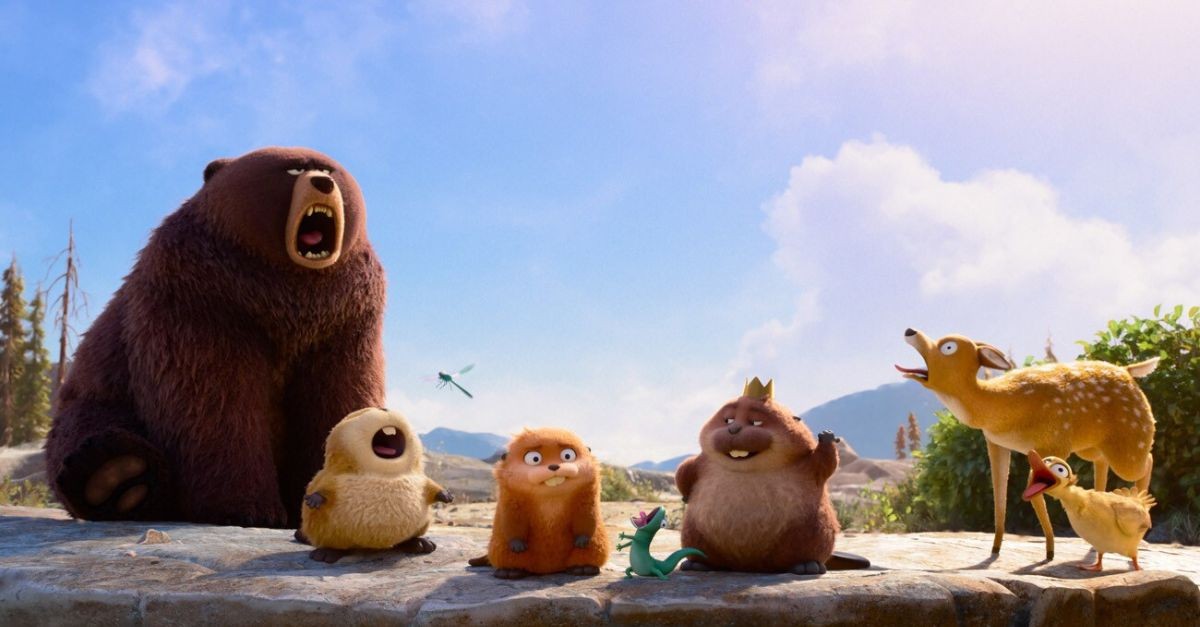
She learns that the animals have formed their own kingdom, complete with a king (a beaver) and a set of rules. Rule No. 1: Don’t be a stranger, and call everyone by their name. (“It's harder to be mad at someone if you know their name,” the king explains as he rattles off the names of those present – down to every single ant.) Rule No. 2: When you gotta eat, then eat. (In other words, some animals really do get eaten – a rarity for a children’s film – although the movie limits this natural reality to fish, worms and bugs.) Rule No. 3: Look out for others.
The plot turns when Mabel discovers the local government has installed speakers in the forest that emit a high-pitched sound to scare away the animals. It turns again when she rallies the animals to take action against the mayor – only to realize things have gone too far when they begin talking about “squishing” him, and they even hatch a plan.
Photo Credit: ©Pixar
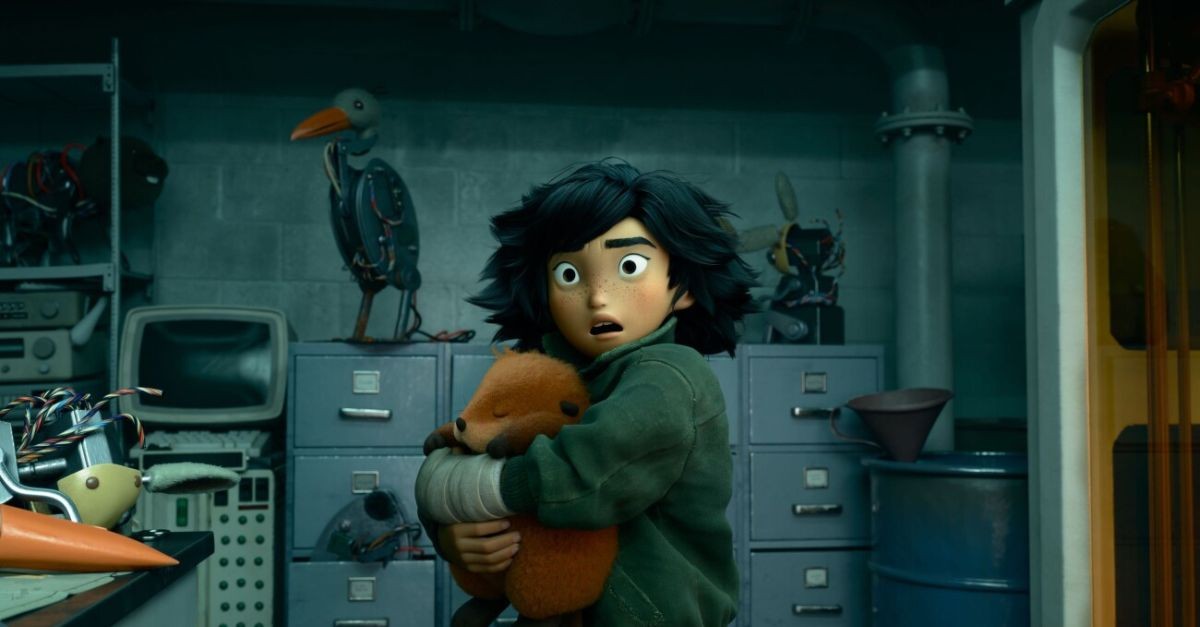
But It Adds a Surprising Twist
Hoppers isn’t a typical “humans are bad” story often seen in environmental films. This is evident early in the movie when Mabel is shocked to learn that the animals – including the king – like humans. “We're all in this together,” the upbeat king says. “Remember – animal homes, human homes, they're all just one big place.” Later, to underscore his point, he even shows her an old radio he uses to listen to music. “They make some pretty cool stuff,” the king says of humans.
Of course, not all the humans in the film are good – the mayor resorts to deception to scare off the animals. But the movie also avoids portraying the animals as entirely virtuous. One of them, a butterfly, emerges as a villain, determined to kill not only the mayor but also hundreds of the town’s citizens in an act of revenge.
The film’s ending is heartwarming. The mayor reroutes the road around the glade, driving home the film’s central theme: Progress can co-exist with nature – we need both.
That said, the final 30 minutes of Hoppers contain frightening images and themes not typically seen in a Pixar film. The butterfly acquires the technology and reverses it, transforming himself into a life-sized, robotic-like human – an eerie doppelganger of the mayor whose stiff walk and mannerisms resemble those of a monster. (The real mayor, if you're curious, was kidnapped.) The animal villains’ plan is for this zombie-like version of the mayor to speak at a rally and then use the speakers to “squish” the audience. The word “kill” is never used, but the implication is clear. Fortunately, the plan is foiled.
Hoppers isn’t as charming as Elio, as funny as Inside Out 2, or as deep as Soul – all Pixar films from recent years. Still, it has a message that our screen-addicted culture needs to hear, and would be wise to follow.
Rated PG for action/peril, some scary images, and mild language. (The film has no coarse language but contains several uses of words such as “stupid” and “dumb.”)
Entertainment rating: 3 out of 5 stars.
Family-friendly rating: 4 out of 5 stars.
Discussion questions for families: How does spending time in God’s creation calm our hearts and remind us who God is – and how does that compare to the amount of time we spend on screens? How might learning someone’s name and getting to know them change how we treat them? How can we balance caring for the world God made while also supporting human development?
Photo Credit: ©Pixar